Salicylic Acid: A Super Powerhouse with 4 Key Benefits
The Wonders of Salicylic Acid in Cosmetics
Salicylic acid is a powerhouse ingredient in the world of skincare, renowned for its ability to tackle a variety of skin concerns. From acne to dandruff, this versatile compound has earned its place in many cosmetic products. In this article, we’ll delve into the science behind salicylic acid, its benefits, and how it can be incorporated into your skincare routine.
What is Salicylic Acid?
Salicylic acid is a beta hydroxy acid (BHA) and it’s natural source is derived from the bark of the white willow tree (Salix alba). It’s an organic compound and a plant bioactive substance. Chemically, it is related to aspirin (acetylsalicylic acid), sharing similar anti-inflammatory properties. Unlike alpha hydroxy acids (AHAs), which are water-soluble, BHAs are oil-soluble, allowing them to penetrate deeper into the pores of the skin.
Salicylic Acid in Cosmetics
Salicylic acid is not only used in cosmetics as an active ingredient but also as a preservative, due to its bactericidal and fungicidal properties. It preserves the cosmetic product during and after production. Salicylic acid as a preservative in cosmetics is allowed by law up to a maximum concentration of up to 0.5%.
According to Commission Regulation (EU) 2019/1966 of 27 November 2019, salicylic acid must not be present in cosmetic products for children under 3 years of age, except for shampoos. In other cosmetic products (with the exception of eye shadows, eyeliners, lipsticks, mascara, body lotions, and roll-on deodorants allowed up to 0.5%), salicylic acid and its derivatives may be present in concentrations of up to 2%, and in rinse-off hair products in concentrations of up to 3%.
Benefits and Mechanism of Action
1) Exfoliation
a) Benefits
Salicylic acid works by exfoliating the skin by promoting the shedding of dead skin cells, salicylic acid helps to reveal fresher, smoother skin underneath. This can improve the texture and tone of the skin, making it look more radiant. The exfoliation of the epidermis helps the regeneration of the skin, as well as its reconstruction through the formation of new cells. The skin becomes nourished, as well as moisturised which contributes to a shallowing of wrinkles.
b) Mechanism of Action
Salicylic acid consists of a small, lipophilic molecule meaning it dissolves in fat. This acid intervenes in the stratum corneum, causing desquamation (skin peeling) by dissolution of intercellular cement material. As a desmolytic agent, it disrupts connections between cells e.g., disrupts the desmosomes proteins (which are specialized structures in cell membranes that facilitate cell-to-cell adhesion), leading to the loosening and shedding of skin cells.
2) Acne
a) Benefits
Salicylic acid is most famous for its acne-fighting abilities by having an effect on Cutibacterium acnes bacteria. It penetrates the pores, dissolving the debris that clogs them and reducing inflammation. This makes it particularly effective against blackheads and whiteheads.
It is, equally, a keratolytic agent, meaning it helps to dissolve the protein bonds between dead skin cells, allowing them to be shed more easily. This process not only helps to clear existing acne but also prevents new breakouts from forming.
b) Mechanism of Action
Salicylic Acid’s efficacy in treating acne vulgaris is attributed to multiple mechanisms. It reduces sebum production by downregulating a pathway in the sebocytes (the cells responsible for producing and secreting sebum), decreases inflammation by suppressing another pathway, and increases sebocyte cell death. This comedolytic property makes it particularly useful for acne treatment.
3) Hyperpigmentation
a) Benefits
Salicylic acid also reduces the appearance of hyperpigmentation as a result of reducing melanin production in the skin, which is why it is often it is effective in treating conditions such as photodamage.
b) Mechanism of Action
Abnormal melanin production and transport can cause skin pigmentation issues, often treated with ginseng-based products. A study explored how salicylic acid, a key component in ginseng, affects melanin production and transport in skin cells. The findings showed that salicylic acid reduces melanin levels by:
- lowering the expression of enzymes involved in melanin production
- decreasing the activity of certain pathways that regulate melanin production
- inhibiting the function of proteins involved in melanin transport
- reducing the phagocytic activity of skin cells
Overall, salicylic acid in ginseng can help reduce melanin production and transport, potentially aiding in the treatment of pigmentation disorders.
4) Other
In addition, the use of salicylic acid facilitates the penetration of other active ingredients applied to the skin.
- Anti-inflammatory Properties: Salicylic acid can reduce redness and swelling, making it beneficial for inflammatory skin conditions like acne and psoriasis.
- Dandruff Control: In shampoos, salicylic acid helps to treat dandruff by exfoliating the scalp and reducing flakiness.
Incorporating Salicylic Acid into Consumer Routines
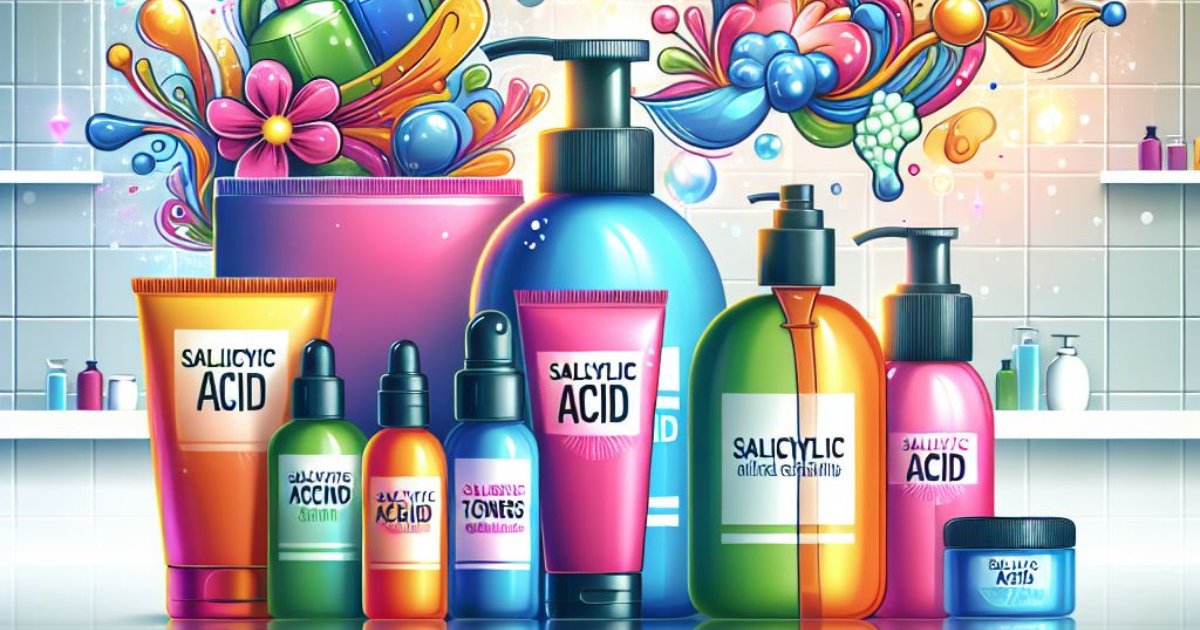
Salicylic acid is available in various formulations, including cleansers, toners, serums, and spot treatments.
- Cleansers: Salicylic acid cleansers provide a gentle exfoliation and help to keep pores clear. They can be used once or twice a day, depending on skin tolerance. See with Safety Team on applicable warnings for artwork labelling.
- Toners: Toners with salicylic acid can be used after cleansing to remove any remaining impurities and provide an additional layer of exfoliation. They can be applied with a cotton pad followed by consumers usual skincare routines.
- Serums and Spot Treatments: For targeted treatment, salicylic acid serums and spot treatments can be applied directly to problem areas. These products often contain higher concentrations of the acid and should be used sparingly to avoid irritation. Again see with Safety Team for applicable warnings
- Shampoos: For consumers suffering from dandruff, create shampoos containing salicylic acid. These can help to exfoliate the scalp and reduce flakiness. Provide “use instructions” on the product label.
Potential Side Effects
While salicylic acid is generally safe for most people, it can cause irritation, especially if used in high concentrations or too frequently. Common side effects include dryness, redness, and peeling. To minimise these effects, its best consumers start with a lower concentration and gradually increase it as their skin builds tolerance. Clear directions of use must be given.
Who Should Avoid Salicylic Acid?
Salicylic acid is not suitable for everyone. People with very sensitive skin or those allergic to aspirin should avoid using products containing this ingredient. Additionally, it is not recommended for use on children under three years old, except in shampoos.
Conclusion
Salicylic acid is a versatile and effective ingredient that can address a range of skin concerns, from acne to dandruff. By understanding how it works and how to use it properly, this powerful acid can be incorporated into skincare products. Always remember to consult the Safety Team for directions of use and applicable warnings including advising of patch tests for new products and/or consulting a dermatologist.
Whether consumers are dealing with stubborn acne or looking to improve their skin’s texture, salicylic acid might just be the solution for your products.
*****
If you liked this article and wish to know more about salicylic acid for use in cosmetic products e.g. regulatory compliance, suggested and permitted claims, watchouts, etc. and other latest news from us then sign up and receive a:
FREE guide “How to Avoid the 5 Most Common Pitfalls in Cosmetic Product Development“.