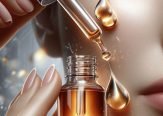
Tretinoin, Retinol, Retinyl Esters: Unlock Spectacular Radiant Skin
Welcome to an our first article on ingredients: unlocking spectacular radiant skin with Tretinoin, Retinol, and Retinyl Esters. 
***WARNING for TRETINOIN***
Tretinoin is used in topical skincare products for medicinal purposes which has significant powers when it comes to treatment of various skin conditions.
Tretinoin is used in Medicinal Skincare and is ONLY available for use as a PRESCRIPTION DRUG…this means that tretinoin MUST be prescribed by a medical Doctor.
The reason, products containing Tretinoin, are classified as drugs is due to the major adverse effects of topical retinoids* which include local skin irritation: erythema, peeling, dryness, burning and itching…
*****
Introduction
When it comes to achieving radiant, youthful skin, few ingredients are as celebrated as retinoids. These vitamin A derivatives are renowned for their ability to transform skin, addressing concerns from acne to aging. Among the most popular retinoids used in skincare are tretinoin, retinol, and retinyl esters each with their unique properties and benefits.
However, what sets them apart? Which the right one for the various consumer’s skin types? Let’s dive in!
Understanding Retinoids
The Science Behind Retinoids
As we age, the population of epidermal stem cells reduces as well as a reduction in collagen. The effectiveness of retinoids lies in their ability to influence cellular processes at a molecular level. They are effective at regulating epithelial skin cell (epidermis or outermost layer skin cell) growth and stimulating collagen production.
Note that the epidermis is composed of several layers of epithelial cells including the stratum corneum which functions as a protective skin layer that serves as a barrier between the body and the surrounding environment.
Retinoids are lipophilic molecules (meaning they mix well with fats and oils) which exert their effect of epithelial skin cell growth and collagen production by diffusing across the membranes of these epithelial skin cells. Once they are inside the cells, it is retinoic acid which can bind directly with specific retinoic acid nuclear receptors (RAR’s) i.e. protein molecules and once there, they can influence the activity of genes involved in this cellular proliferation and also, collagen synthesis.
Cellular growth and proliferation is essentially a process by which epithelial cells are constantly being renewed – shedding of old, damaged skin cells and replacement by newer, healthier cells. Increased collagen levels lead to firmer, more elastic skin, reducing the appearance of fine lines and wrinkles as collagen provides structural support to the skin.
The Hierarchy of Retinoids: Tretinoin, Retinol, and Retinyl Esters
The main differences between the retinoids is their potency and efficacy. The stronger the potency, the stronger their efficacy but with it comes adverse reactions*. Their irritative potential depends on the concentration, formulation of the product and also, the type of retinoid used. For example, Tretinoin is retinoic acid which is the form that is immediately biologically active to give the benefits known to retinoids, i.e anti-: ageing, photoaging, acne, hyperpigmentation, but as you go down the hierarchy in potency, their efficacy decreases as more chemical conversion steps are needed to arrive at retinoic acid, e.g. retinol needs 2 steps (via retinaldehyde) and the retinyl esters need 3 steps (via retinol and retinaldehyde).
Tretinoin: The GOLD Standard
Tretinoin as it doesn’t need to be converted on the skin, it begins to work its cellular renewal and repair magic right away. In other words, as it is biologically active on the skin as it is, it is the strongest of all the retinoids.
Tretinoin is a prescription-strength retinoid with demonstrated significant efficacy in treating various skin conditions. Recent scientific literature underscores the transformative impact of tretinoin in dermatology and it’s use in medicinal skincare products due to its powerful effects on skin cell turnover and collagen production.
A focussed review on retinoids highlighted tretinoin’s efficacy in reducing wrinkles, hyperpigmentation, and acne, emphasising the benefits in both conventional and nano-formulations (less than 100 nanometers). The main goal of developing innovative nano-delivery systems containing tretinoin is to provide a safe formulation with satisfactory user compliance.
Further, a clinician’s guide delved into the pharmacology and diverse applications of topical retinoids, showcasing tretinoin’s role in treating both acne and also, photoaging. Together, these studies affirm tretinoin’s pivotal role in enhancing skin health and appearance.
However, tretinoin’s potency comes with a downside: it can be quite irritating, especially for those with sensitive skin. Redness, peeling, and dryness are common side effects, particularly during the initial weeks of use.
Retinol: The Over-the-Counter Hero
Retinol is a milder, over-the-counter alternative to tretinoin. As mentioned above, as it must be converted into retinoic acid before it can take effect, it makes it less potent but also less irritating. Retinol is an excellent choice for those new to retinoids or with sensitive skin. It offers many of the same benefits as tretinoin, including:
- improving the appearance of photodamaged skin
- retinol formulations ability to significantly reduce fine lines, wrinkles, hyperpigmentation, and overall photodamage, with effects comparable to prescription tretinoin
Retinol is widely available in various formulations, from serums to creams, making it accessible for different skin types and concerns. Regular use of retinol can lead to noticeable improvements in skin clarity and radiance.
Retinyl Esters: The Gentle Giants
Retinyl esters are the least potent form of retinoids, making them the gentlest option available. By having to undergo multiple conversion steps in the skin to become active retinoic acid, it significantly reduces their potential for irritation. Retinyl esters are ideal for individuals with very sensitive skin or those looking to maintain their skin’s health with minimal risk of side effects.
Retinyl esters are often found in moisturizing formulations, providing a dual benefit of hydration and gentle exfoliation. This makes them suitable for daily use, even for those with the most delicate skin. Over time, consistent use of retinyl esters can help maintain a youthful appearance and prevent the early signs of aging.
4 Benefits of Retinoids
1) Anti-Ageing
Retinoids, particularly tretinoin is considered the most effective retinoid for improving fine facial wrinkles, improving skin thickness and elasticity.
By promoting cellular proliferation, this leads to a smoother, more even skin texture. Equally, through this binding and transcription of these target genes, collagen production is stimulated which helps to reduce the appearance of fine lines, wrinkles and also helps to maintain skin firmness and elasticity.
Retinoids also have antioxidant properties that help protect the skin from damage caused by free radicals, which are unstable molecules that can accelerate the aging process.
2) PhotoAgeing
Although skin aging is a natural process due to the chronological aging of the human body, photoaging by UV radiation is identified as the most important extrinsic factor that accelerates the ageing process.
Among the variety of treatments, topical retinoids, especially for tretinoin, are one of the most commonly used active ingredients for which there is clinical evidence. The well-known strategy against photoaging includes regular use of sunscreens and a combination of retinoids and antioxidants.
As above for ageing, cellular turnover helps shed old, damaged skin cells by UV radiation and promotes the growth of new, healthier cells. The increase in collagen production, helps to reduce the effects from the sun. Through the combination of these two processes, retinoids help to strengthen the skin barrier, making it more resilient to environmental damage.
Lastly, retinoids have anti-inflammatory properties that help to reduce redness and swelling, which can be associated with photo-damaged skin.
3) Acne
Topical retinoids, like tretinoin, are important for managing acne due to their anti-comedonal and anti-inflammatory effects.
Additionally, a historical review of topical retinoids over the past fifty years celebrates tretinoin’s evolution and enduring success in acne therapy, marking it as a cornerstone in medicinal skincare.
As mentioned above, the biological effects of topical retinoids are mediated and regulated by nuclear hormone receptors. Through this process, by increasing the epithelial cell turnover, this helps clear dead skin cells more quickly and opens pores, releasing trapped bacteria or irritants that cause acne. This leads to an expulsion of mature comedones and suppression of microcomedo formation.
4) Hyperpigmentation
Retinoids also help to fade hyperpigmentation through the acceleration in turnover of pigmented cells, resulting in a more even skin tone.
Marketing for the Right Retinoid Product
Selecting the right retinoid depends on your target consumer’s skin type, concerns, and tolerance for potential side effects:
- For Sensitive Skin: consumers to start with retinyl esters or a low-strength retinol. Gradually increase the concentration as their skin builds tolerance.
- For Moderate Concerns: Retinol-containing cosmetic products is the great middle-ground option, which offers significant benefits with less risk of irritation compared to tretinoin and no need for a prescription. Equally, they offer consumers an accessible and reasonably priced option.
- For Severe Concerns: stay away from this area if you only intend to manufacture cosmetic products.
Tips for “Use Instructions” for Retinoids
Consumers to:
- Start Slow: introduce retinoids gradually, using them once or twice a week and slowly increasing frequency. It’s important they start with lower concentrations, using them less frequently at first.
- Moisturize: apply a hydrating moisturizer to combat dryness and peeling and pair them with hydrating / barrier-strengthening ingredients like ceramides and hyaluronic acid.
- Sun Protection: it’s crucial consumers avoid excessive sun exposure as retinoids can make their skin more sensitive to the sun, so always advise them to use sunscreen SPF50 during the day.
Conclusion
For cosmetic products, retinoids like retinol, and retinyl esters are powerful tools in the quest for radiant, youthful skin with diverse benefits of anti-: ageing, photoaging, acne, and hyperpigmentation. By understanding their differences and choosing the right one for consumers skin types, their full potential can be unlocked and consumers can enjoy smoother, more luminous complexions.
*****
If you liked this article and wish to know more about retinoids in the Cosmetic Product Development Process, e.g. regulatory compliance, suggested and permitted claims, watchouts, etc. and other latest news from us then sign up and receive a:
FREE guide “How to Avoid the 5 Most Common Pitfalls in Cosmetic Product Development“.